
High Weald Connections
What makes the High Weald special, and what can we do to help look after it?
Free outdoor learning days for local schools and youth groups to explore, understand and protect the High Weald landscape on their doorstep.
The High Weald is our local natural environment.
It surrounds the places where our children live, learn and grow. Yet many local children may not realise just how remarkable and nationally important the landscape on their doorstep really is.
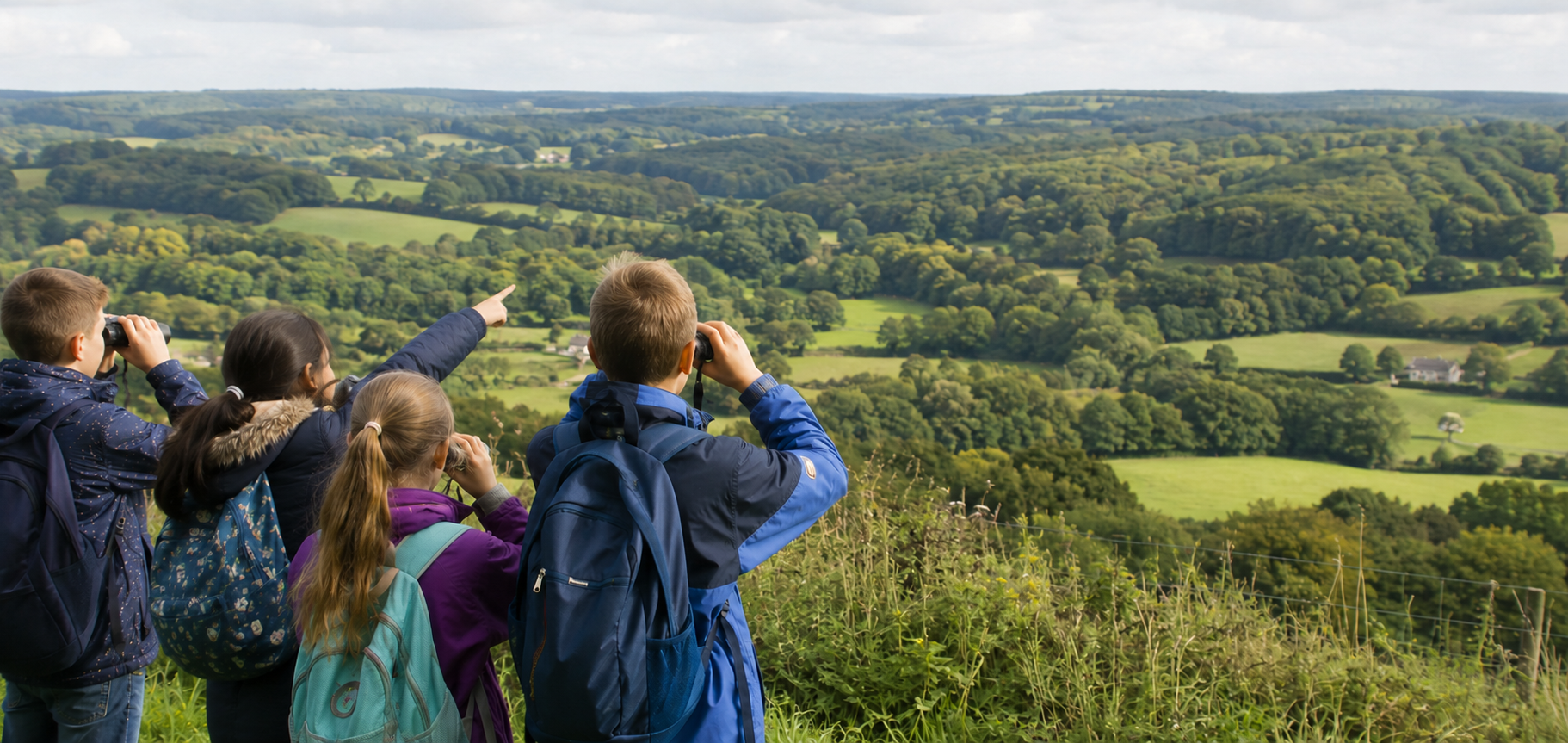
Project Rewild’s High Weald Connections programme invites local primary schools to spend a day learning, exploring and taking practical action at Hoads Wood and Mountain Hill in Fairlight.
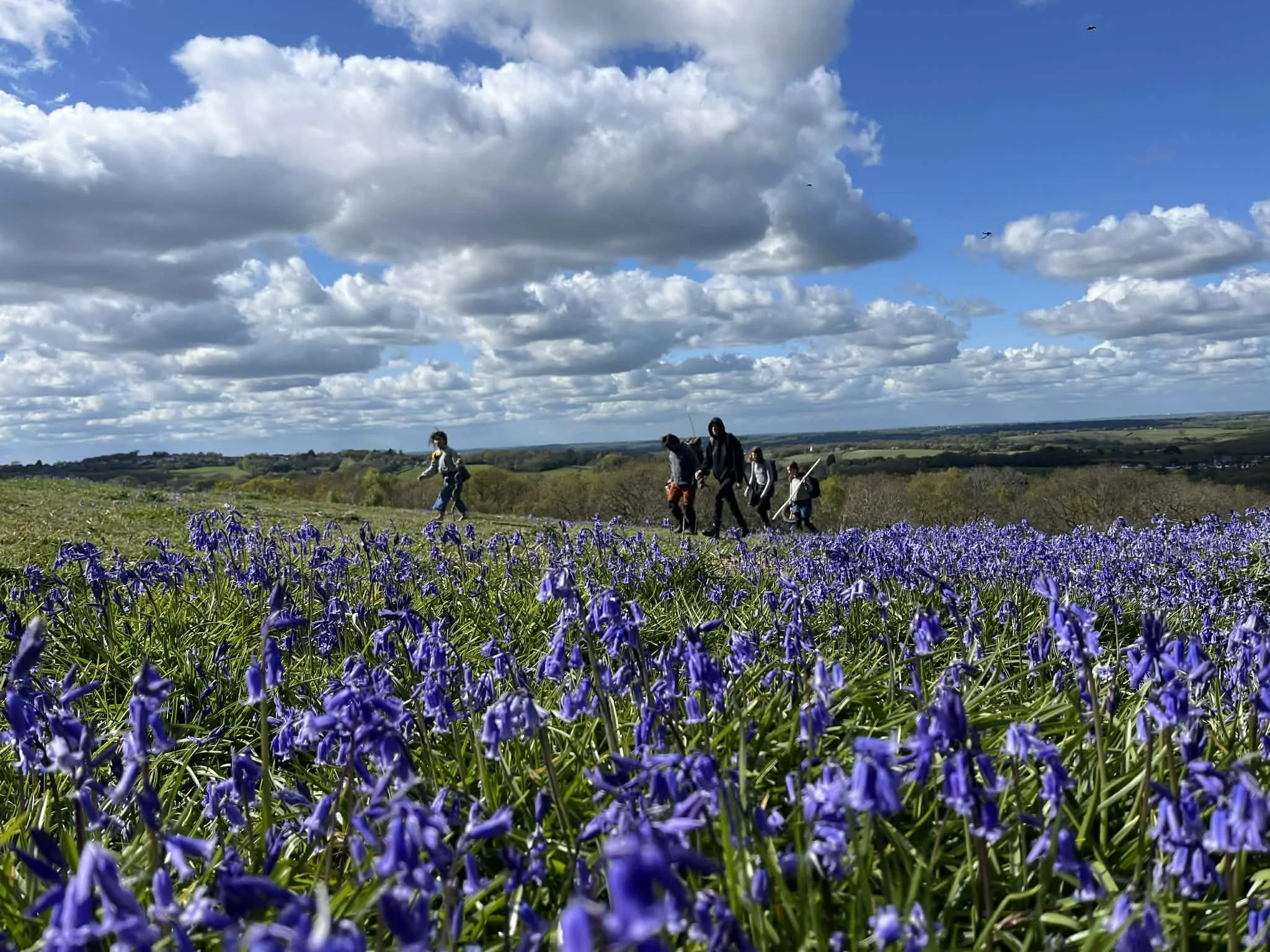
This is an opportunity for children to experience the High Weald for themselves: to walk through its ancient woodland, explore its meadows, investigate its wildlife and begin to understand the story of the landscape around them.
Want to join us?
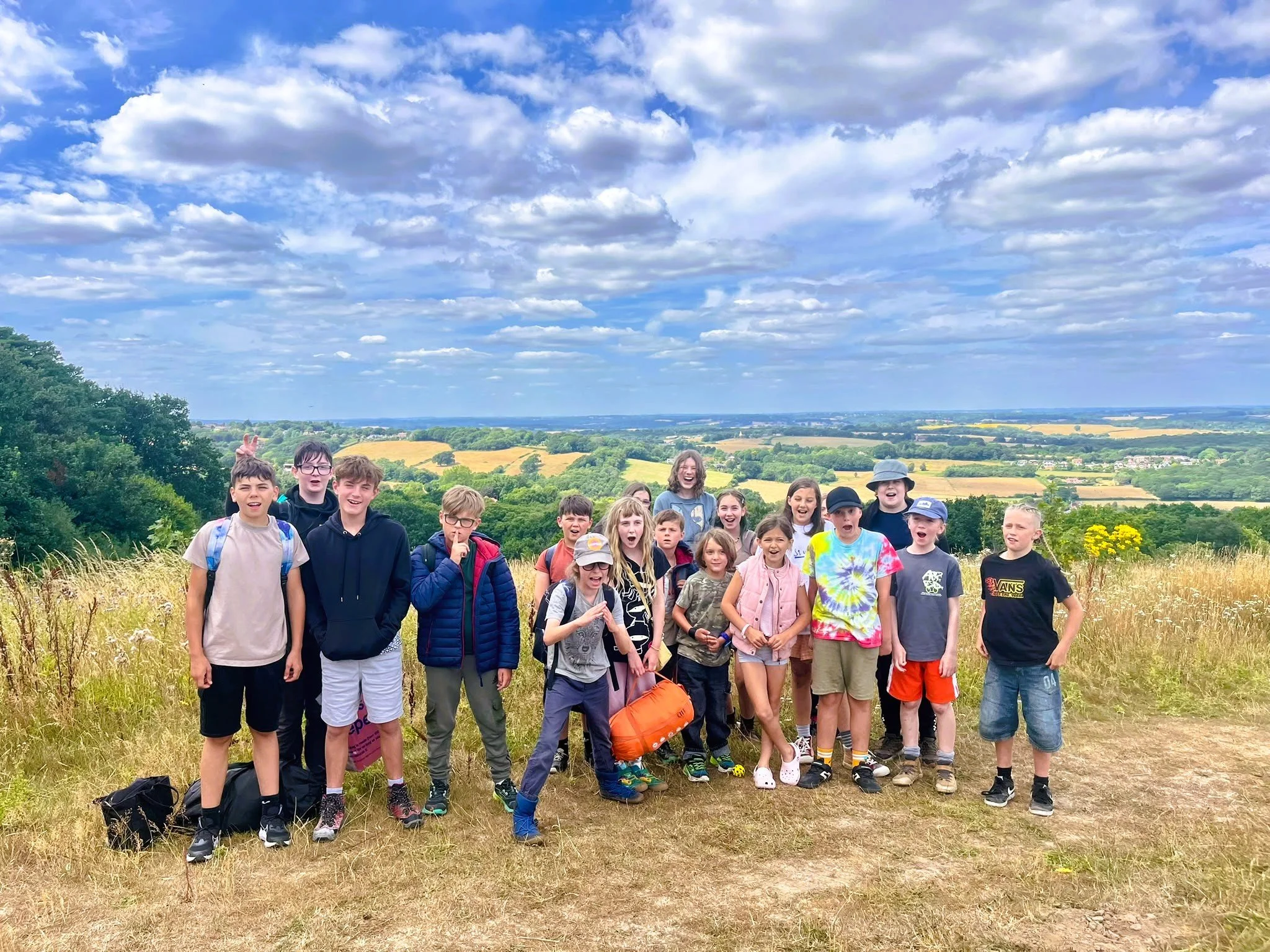
With the support and funding of the High Weald National Landscape Partnership through the Farming in Protected Landscapes programme, Project Rewild is offering a limited number of free High Weald Connections days for local children and young people.
Do you have a school class, youth group or community group that would benefit from exploring the High Weald?
Each day combines outdoor learning, woodland and meadow exploration, practical activities and meaningful action to help care for this remarkable local landscape.
We are particularly keen to hear from groups supporting children who may experience barriers to accessing nature and outdoor learning.
If you would like to discuss bringing a group to one of our days, please contact us at info@projectrewild.co.uk.
An extraordinary landscape on our doorstep
28%
WOODLAND COVER
It’s the most wooded part of England, around three times the national average.
20%
OF ENGLAND’S LOWLAND MEADOW
The High Weald contains one-fifth of England’s remaining lowland meadow, providing precious habitats for wildflowers, insects and pollinators
72%
OF ITS WOODLAND IS ANCIENT
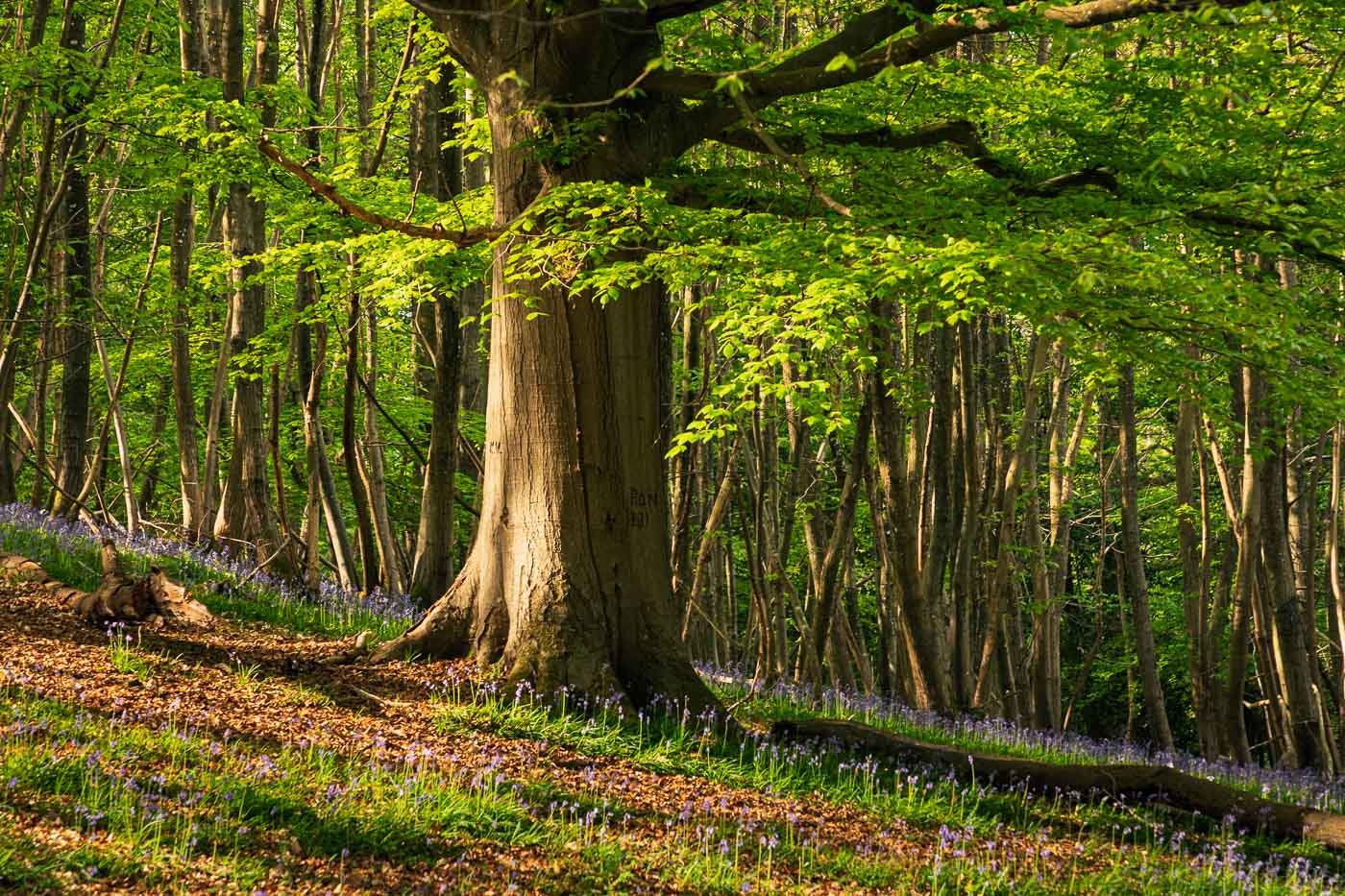
It has existed continuously since at least 1600. It is an irreplaceable habitat with centuries of life held within its trees, soil, fungi, plants and seeds.
3,700
SPECIES
Thousands of different plants and animals make their homes within the High Weald’s interconnected woods, meadows, hedgerows, ponds and waterways.
Discovering the story of the High Weald
The High Weald may appear wild, but it has been shaped by both nature and people over hundreds of years.
Its rolling hills, sandstone ridges, streams, ancient woodlands, small fields and historic pathways form one of the best-surviving medieval landscapes in northern Europe.
During their visit, children will become High Weald Explorers, searching for clues that reveal how this landscape was formed, how it has been used and why it remains so important today.
They will explore questions such as:
What makes the High Weald different from other landscapes?
What is an ancient woodland, and why can it never simply be replaced?
How are the woodland, meadow, soil, water and wildlife connected?
How have people shaped and cared for this landscape?
Why do woodlands and meadows sometimes need active management?
What can we do to help protect these places for the future?
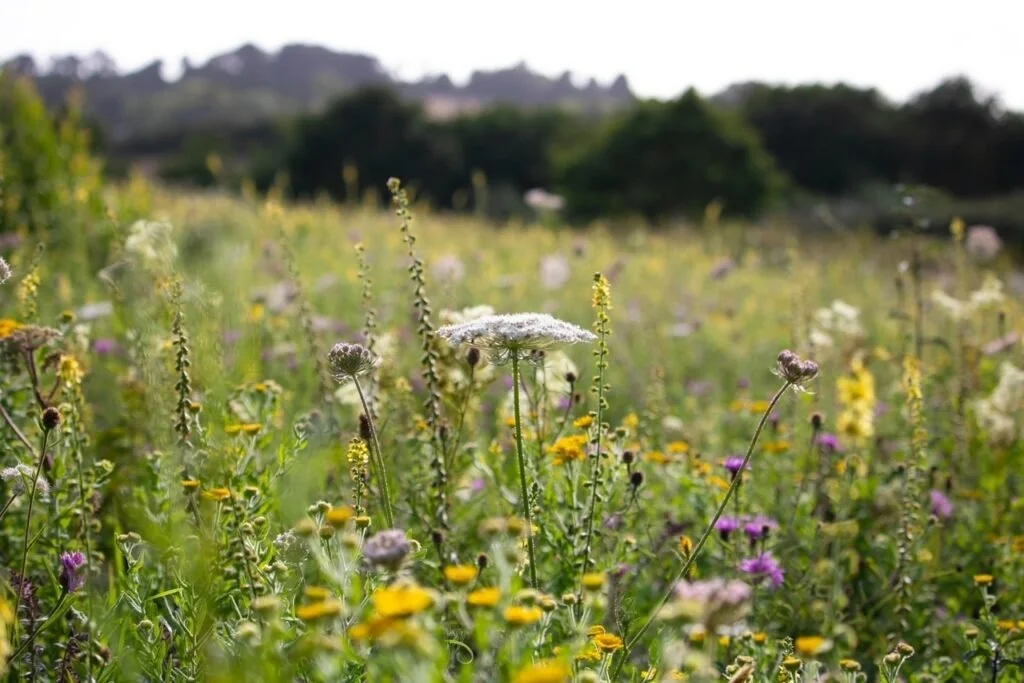
Learning through experience
Children will not simply sit and listen to information about the High Weald. They will walk through it, touch it, investigate it, play within it and contribute to its care.
The day will combine curriculum-linked learning with:
Woodland and meadow exploration
Wildlife and species identification
Habitat investigation
Environmental games and challenges
Bushcraft and traditional woodland skills
Nature crafts and green woodworking
Practical conservation
Teamwork and problem-solving
Child-led exploration
Time to slow down and enjoy being outside
Activities will change with the seasons and reflect the real conservation needs of the site.
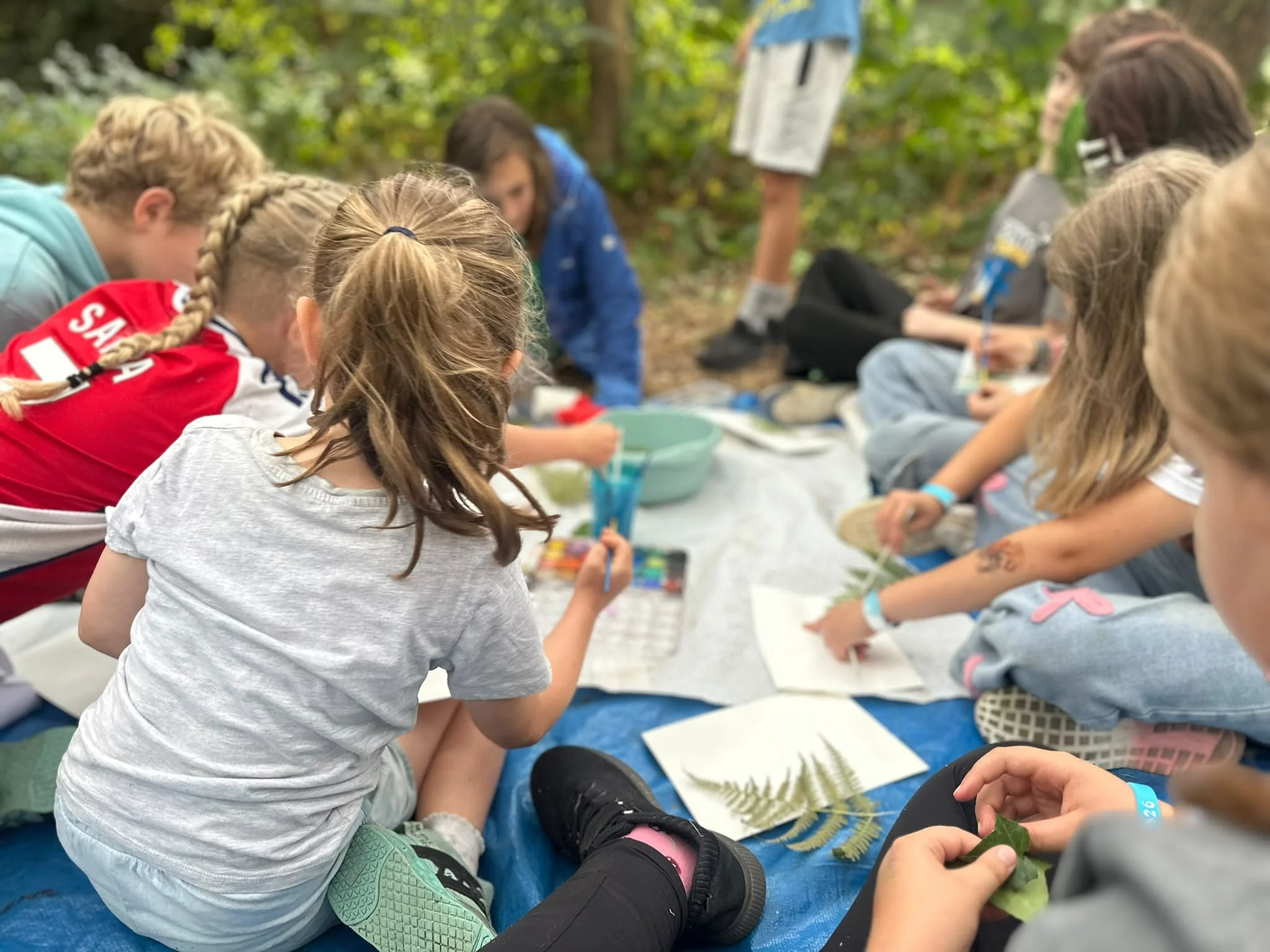
Taking meaningful action
Learning about the landscape is only one part of the experience.
Children will also have an opportunity to take part in practical conservation. Depending on the season and the needs of the site, this could include creating wildlife habitats, caring for the meadow, managing woodland, supporting pollinators or helping to monitor the plants and animals found there.
Their contribution may be small, but it will be real.
We want children to leave knowing that the High Weald is not simply somewhere beautiful to visit. It is a living landscape that needs people to understand, value and care for it.
Supporting learning and wellbeing
The programme supports Key Stage 2 learning across science, geography, history, design and technology, English and PSHE.
However, the value of the day goes beyond curriculum learning.
Spending meaningful time outside gives children opportunities to be active, curious and creative. It allows them to work with others, build confidence, solve problems and experience the sense of freedom and wonder that comes from exploring the natural world.
The outdoors is not only somewhere children can learn about. It is somewhere they can learn within.
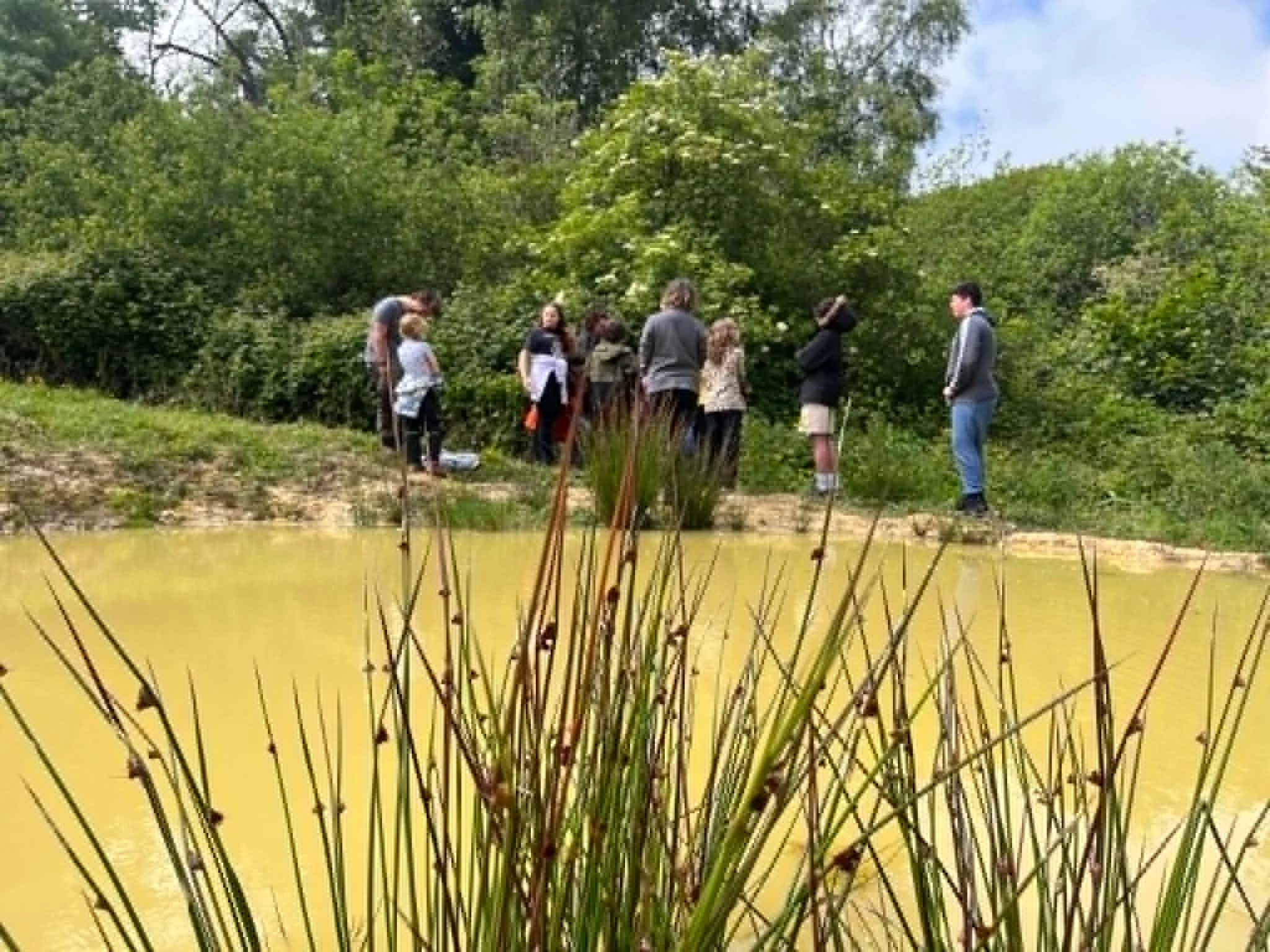
This is their landscape
The High Weald is sometimes spoken about as a nationally protected landscape, but it is also our local landscape.
It belongs to the everyday lives and heritage of children growing up in Hastings and the surrounding area.
We want local children to recognise its woodlands, meadows, hills and streams as part of their home. We want them to understand why these places are special, feel confident exploring them and develop their own relationships with the natural world.
Because when children have opportunities to know, enjoy and love their local landscape, they are far more likely to want to protect it.
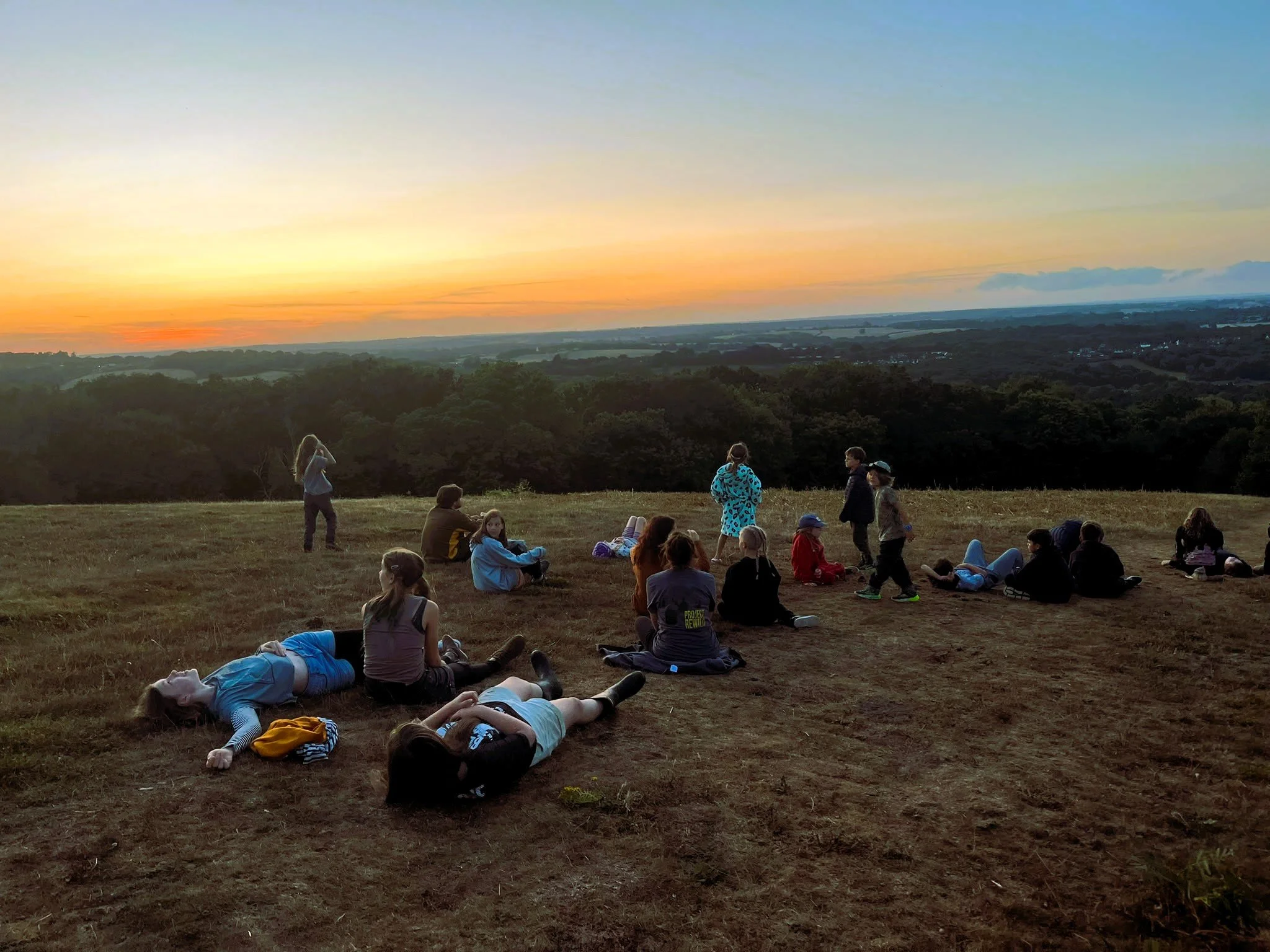
Working in Partnership
We are delighted to deliver High Weald Connections in partnership with Future Landscapes Trust, the landowners of Hoads Wood and Mountain Hill. The Trust is supporting Project Rewild to use this remarkable site as a place for outdoor learning, nature connection and practical conservation. This partnership supports its wider aims of working with nature to increase biodiversity, build more resilient landscapes and create lasting social value for local communities.
This project is funded and supported by the High Weald National Landscape Partnership through the Farming in Protected Landscapes programme.


If you would like to discuss bringing a group to one of our days, please contact us at:
info@projectrewild.co.uk.
School Visits and Practical Information
Everything school staff need to know about High Weald Connections and Active by Nature